
Back to program
Social acceptability

Building Social License: Key Levers to Activate Early On

Wednesday, November 19, 2025

Room 303AB – Corem

Session organizer

Marie-Hélène Léger

MRNF

LinkedIn

Session organizer

Patricia Nya

MRNF

The development of structuring projects requires a shared vision of the territory—one in which all stakeholders, including communities, promoters, and government bodies, play active and complementary roles. Upstream of any project, what levers can be activated to better anticipate, coordinate, and align actions?

This session will explore how to foster the harmonious integration of mining projects by emphasizing strategic territorial planning, clearly defining and sharing expectations, and creating structured coordination between all involved parties. When each actor’s objectives are well-defined and transparent, mutual understanding improves, predictability increases, and decision-making capacities are strengthened.

An invitation to collectively reflect on promising practices for mining development grounded in territorial realities.

This session will be available in both French and English.
9 a.m.

Welcome Address

9:05 a.m.

Promoter’s Guide: Towards Harmonious Development in the Fjord-du-Saguenay RCM

Josianne Pelosse

MRC du Fjord-du-Saguenay

LinkedIn
Conference details

The Fjord-du-Saguenay RCM is keen to ensure the responsible management of the development of its territory and is proposing a practical guide to help project promoters address local issues. The guide aims to promote a shared vision of development, outline the challenges to be overcome and reaffirm the commitment to harmonious, sustainable development of the territory.

9:30 a.m.

Social Acceptability Barometer - Mining Sector
Key Data for Québec’s Mining Industry: Factors, Trends, and Challenges for the Future

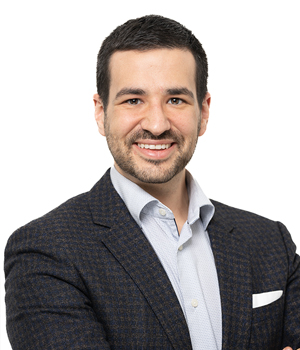
Marc-Olivier Fortin

Transfert Environnement et Société

LinkedIn
Conference details

At the Québec Mines + Energy conference, we will reveal the 2025 Social Acceptability Barometer - Mining Sector. The results give a sharp look at what drives trust in mining and how Québec communities view the industry today.

Marc-Olivier Fortin, Director of Partnership Development at Transfert Environnement et Société, will present the findings of this in-depth, Canada-wide analysis of public perceptions of the mining industry. The presentation will highlight the perspectives of Québec residents across different regions. Key themes will include:

- Public trust in the mining industry

- Acceptance of critical and strategic mineral development

- Interest in local economic benefits

- Environmental and social concerns

- Corporate transparency

- Quality of community relations

The analysis will identify immediate opportunities to strengthen public trust in the sector while also pointing to key risks related to new projects and ongoing operations. The results will track the evolution of Québec mining companies’ social license to operate over time.

This first edition marks the launch of the annual Social Acceptability Barometer - Mining Sector, a new benchmark to assess the industry’s social acceptability in Québec and across Canada in the years ahead.

The Barometer is an initiative of Transfert Environnement et Société, a firm with more than 20 years of expertise in social acceptability in Québec, developed in partnership with Voconiq, an Australian leader in social research for the mining sector. Don’t miss this important presentation!

10 a.m.

Break

10:10 a.m.

Mining and the Naskapi Territory: Past, Present and Future

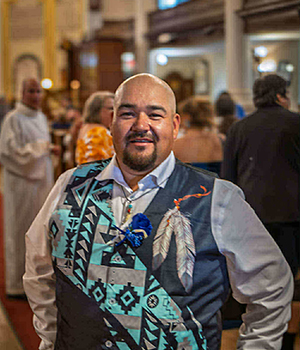
Jeremy Einish

Nation Naskapi de Kawawachikamach

Conference details

At the Québec Mines + Énergie 2025 conference, the Naskapi Nation of Kawawachikamach will present its vision for equitable and sustainable resource development in northern Québec. The presentation will highlight the Nation’s deep connection to its traditional lands and the importance of ensuring that mining projects respect Indigenous rights and interests, the environment, and cultural heritage. Drawing on its experience with pre-development and impact and benefit agreements, the Nation will discuss both the opportunities and challenges of development, emphasizing the need for meaningful consultation, community participation, and long-term stewardship. The Nation will address how industrial activities—particularly in mining —affect wildlife, water, and traditional livelihoods, and will outline principles for responsible collaboration grounded in free, prior, and informed consent. Emphasis will be made on how responsible development can create mutually beneficial opportunities, including employment, training, business partnerships, and infrastructure investments that strengthen local capacity and foster long-term prosperity.

10:35 a.m.

Relations With First Nations: Sharing Experiences

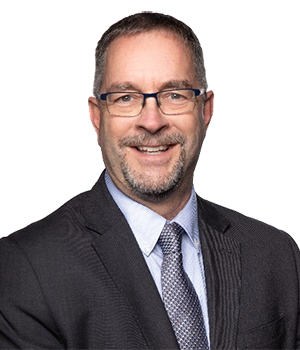
Guy Bourassa

Scandium Canada

Conference details

From his first meeting with Chief Josie Jimiken of the Cree Nation of Nemaska, in the Eeyou Istchee James Bay territory in 2009, to the signing of the preliminary project agreement with the Naskapi Nation of Kawawachikamach, in Nunavik, in April 2024, including the negotiation and conclusion of the impact benefit Chinuchi Agreement in 2014, Mr. Bourassa will review the highlights of his experiences.

He will emphasize the importance of time, human relations with the members of the communities and knowledge of the territory, while insisting on the values of listening and respect that must guide each approach. He will also point out that this work requires considerable financial and human commitment, and that it cannot be delegated to third parties: real success depends on personal investment and presence in the field.

11 a.m.

Panel

Marc-Olivier Fortin

Transfert Environnement et Société

LinkedIn

Jeremy Einish

Nation Naskapi de Kawawachikamach

Guy Bourassa

Scandium Canada

11:25 a.m.

Closing remarks

Take part in the next edition of